Blog
Dental hygiene tips for healthy teeth & gums
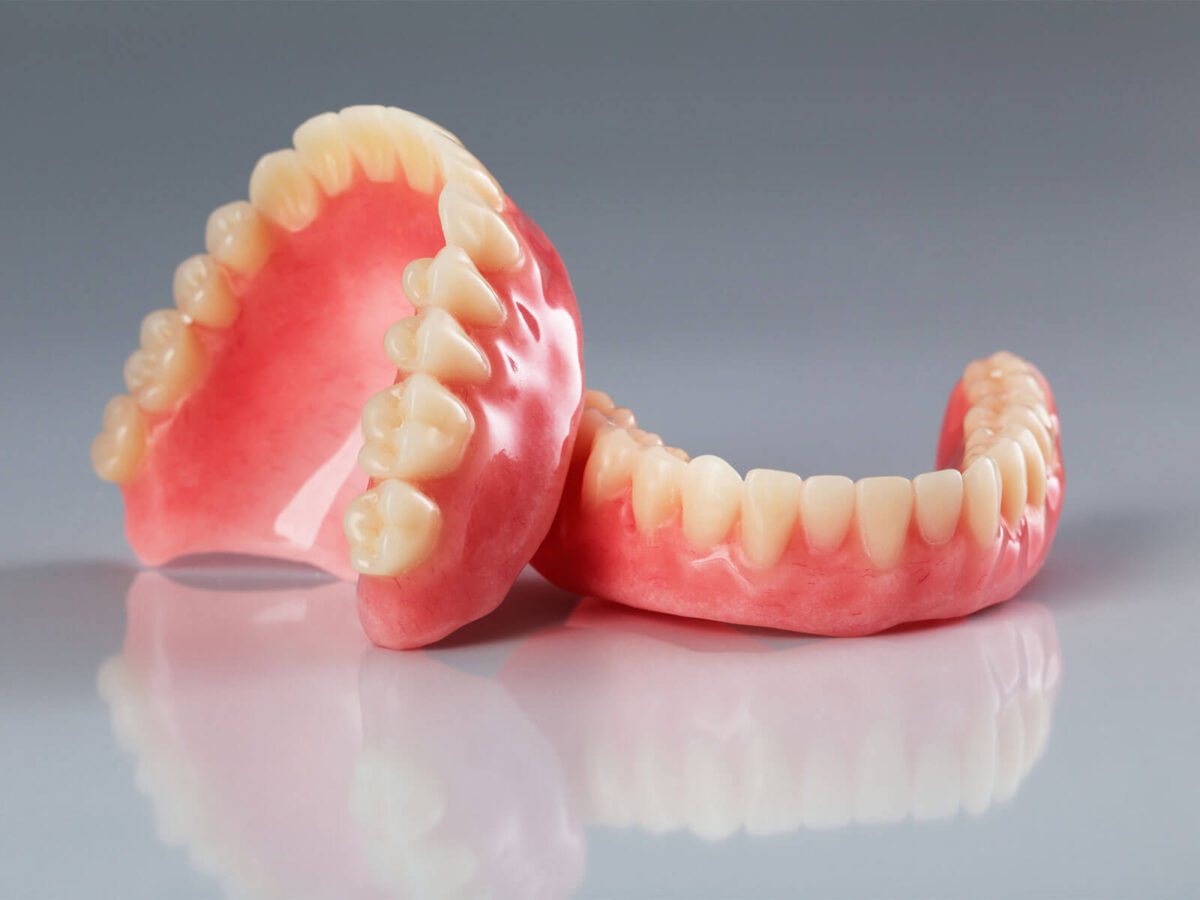
5 Signs You May Need Dentures
Most people don’t just wake up and decide that dentures are the next step. It usually builds over time. Little things start to change. A tooth is lost. Then chewing feels different. Smiling doesn’t feel as easy. None of it feels dramatic enough to act on right away.
That’s usually when searches like signs you need dentures start popping up. It’s not always a clear question people are asking. They’re usually making sense of small shifts that crept in without much notice.
When Tooth Loss Stops Feeling Temporary
One missing tooth doesn’t mean that you need dentures. Many people live comfortably with a gap for a long time. The problem starts when missing teeth become a pattern rather than an exception.
If teeth have been lost gradually and replacements haven’t happened, the mouth begins adapting in ways that aren’t always helpful. Chewing shifts to one side. Remaining teeth take on more pressure. The bite changes without being obvious at first.
This slow progression is one of the quieter signs you may need dentures, because it doesn’t announce itself loudly. It just keeps going.
Difficulty Chewing Becomes Normalised
Chewing problems usually don’t hit suddenly. They creep in, with small adjustments happening along the way. Foods are avoided. Eating slows. Portions are managed differently. Over time, these shifts become easy to overlook.
If meals feel harder than before, or you avoid some foods without thinking, your teeth might not be working together like they used to. Changes like that tend to happen gradually. They’re commonly part of the less obvious signs you need dentures, especially when they begin to influence regular eating patterns.
Shifting Teeth And Bite Changes
Your teeth help one another to stay in place. When a few are gone, others move into the open spaces. That can change how your bite feels. Bite changes don’t always hurt at first. Sometimes it’s just small differences. Teeth touching in new places. Chewing pressure feels uneven. Your jaw feels tired after meals. These changes often come up when people mention signs you need dentures.
Frequent Soreness Or Gum Irritation
Missing teeth shift how chewing pressure moves around your mouth. The teeth that are left can’t handle it all alone. Some force goes to the gums, and they may start feeling sore after a while. This usually builds slowly. Pain can fade, then show up again later, which makes people ignore it at first. But when the same areas keep acting up, especially near gaps, it gets attention. Gradual issues like this are often grouped into signs you may need dentures, not urgent warning signs.
Changes In Facial Appearance
This sign can feel weird to bring up, but it’s important. Teeth help support your face. When several are missing, changes can appear.
Cheeks may appear sunken. Lips may lose support. Wrinkles around the mouth can start to stand out more. These changes tend to show up gradually and often sit quietly in the background of discussions about when you should get dentures.
Dentures don’t just replace teeth. They help restore facial support that’s been lost gradually.
Speech Feels Different Than Before
Teeth quietly shape the way speech comes out, especially with certain sounds that rely on airflow and tongue placement. When teeth are missing, those patterns shift. Air moves differently. The tongue adjusts without much conscious thought.
At first, the changes can be easy to miss. A word sounds slightly off. Speech doesn’t always change all at once. Over time, those small shifts start to feel connected. That’s where experiences like this tend to fall among the quieter signs you need dentures, without drawing much attention on their own.
Ongoing Dental Problems With Remaining Teeth
With fewer teeth in place, pressure gets concentrated. The remaining teeth take on more than they used to. Over time, that shows up as wear or repeated repairs.
The experience can become frustrating. One issue is resolved, only for another to follow. Eventually, maintaining the remaining teeth may feel more difficult than expected.
In situations like this, people often start thinking about when to get dentures, not as a first choice, but as a way to bring some stability to a pattern that feels ongoing.
Avoiding Smiling Or Social Situations
Emotional signs matter too. Feeling self-conscious about missing or damaged teeth can change behaviour.
People cover their mouths when laughing. Avoid photos and smile less. These reactions are understandable and common, but they’re also part of the broader signs you may need dentures picture.
Quality of life isn’t just about chewing. Confidence matters.
Dentures As A Stabilizing Option
Dentures aren’t only about replacing teeth that are already missing. They also change how pressure moves through the mouth. Instead of a few remaining teeth taking on most of the work, that pressure gets spread out more evenly. Over time, that can ease strain on both the gums and the teeth that are still there.
This stabilising effect isn’t always obvious at first. It’s often missed when people start thinking about when to get dentures, because the focus tends to stay on what’s already been lost. But for many, the bigger shift comes from how everything else starts to feel more supported.
Why Timing Matters
After a tooth is lost, changes don’t stop at the surface. Bone can slowly shift. Nearby teeth can move in small ways that aren’t obvious right away. Over time, those quiet changes can make fitting dentures feel more complicated than expected later on.
Early conversations don’t lock anyone into treatment. It usually just opens the door to more possibilities. That’s why noticing the signs you need dentures sooner rather than later can make future choices feel less limited.
What Dentures Don’t Automatically Mean
Needing dentures doesn’t mean all teeth must be removed. Partial dentures exist. Implant-supported options exist. Modern dentures are very different from older versions that people often imagine.
Understanding this helps reduce fear when thinking about when to get dentures.
Why A Professional Evaluation Matters
Reading about signs online can help people notice patterns, but it has limits. A screen can’t show bone changes, bite alignment, or how the gums and remaining teeth are really holding up. Those details often matter more than people expect.
Looking at everything as a whole is usually what shapes the bigger picture. It’s how timing starts to make sense, whether that means now, later, or not at all.
Final Thoughts
The signs you may need dentures usually don’t show up as one clear moment where everything suddenly changes. More often, they take shape as patterns that build quietly over time. Tooth loss adds up little by little. Changes in chewing slowly become a part of the routine. Comfort shifts. Appearance feels slightly different. Even confidence can change in ways that are hard to pin down at first.
Dentures aren’t about something going wrong. They’re often a way of helping a mouth that’s been working overtime to adjust. Catching those patterns earlier usually makes the next steps feel more like choices than necessities.
When several signs you need dentures start showing up together, people often begin looking for more context rather than quick answers. Conversations tend to shift toward understanding what’s happening overall and how things might progress. That’s usually where questions about when you should get dentures come up, based on individual circumstances rather than a fixed timeline.