Blog
Dental hygiene tips for healthy teeth & gums
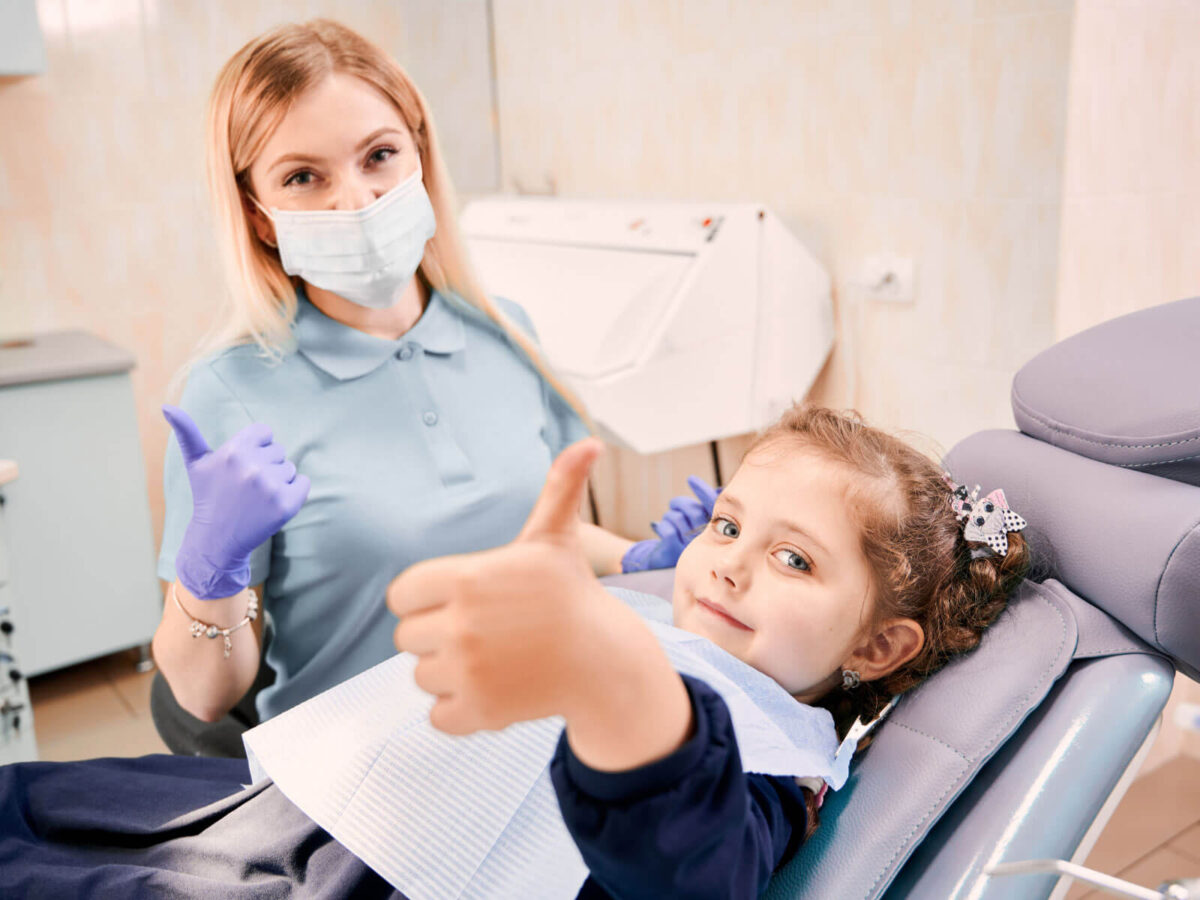
What Is a Pediatric Dentist? Training, Services & How They Differ from General Dentists
A friend of mine switched her son to a pediatric dentist after his general dentist tried to hold him down for an X-ray, no sedation options offered, no real plan for a scared four-year-old beyond getting through it. His new pediatric dentist had him laughing within five minutes using nothing but a puppet and a countdown game.
That gap isn’t personality. What a pediatric dentist is comes down to actual additional training most parents never ask about, two to three years of it, specifically built around kids who can’t just be talked into sitting still.
What Is a Pediatric Dentist, Exactly
The ADA’s MouthHealthy page calls it plainly: pediatric dentists are the pediatricians of dentistry. It’s a real specialty, not a label a general dentist can just adopt, and it requires additional training after dental school, usually limiting the resulting practice to children, sometimes adults with special needs too.
The specialty covers infants through adolescents, including kids with special health care needs. General dentistry doesn’t require the same training as part of its core curriculum, and that gap is what a pediatric dentist actually comes down to.
How Much Extra Training Does a Pediatric Dentist Actually Get
After the standard four years of dental school, a pediatric dentist completes a separate residency running 24 to 36 months, according to training program data from the American Dental Education Association. Roughly 82 programs currently exist in the US, each accredited through the ADA’s Commission on Dental Accreditation.
Penn Dental Medicine’s program runs in affiliation with the Children’s Hospital of Philadelphia. Residents rotate through general pediatrics, anesthesiology, oral and maxillofacial surgery, and the craniofacial and cleft palate clinic, on top of the dental-specific training. None of that shows up anywhere in a standard pediatric dental care rotation at the general dentistry level.
What Do Pediatric Dentists Actually Learn That General Dentists Don’t
Child psychology and behavior management sit at the center of it. UIC’s College of Dentistry lists behavior management, child development and psychology, dental traumatology, and principles of sedation and general anesthesia among the core components of a pediatric dentistry residency, alongside pulp therapy and growth and development.
Sedation training goes deep here, deeper than a general dentist working occasionally with kids tends to accumulate. Residents also study space maintenance and the management of oral and facial trauma, areas where a child’s mouth doesn’t behave the same way an adult’s does, which is a real chunk of what separates pediatric dental care from the general dentistry curriculum.
How Is Pediatric Dental Care Different From What a General Dentist Offers a Kid
A lot of the actual procedure overlaps. Cavities get filled, teeth get cleaned, either way. What separates a pediatric office is everything around that work, smaller equipment built for smaller mouths, and staff trained to manage anxiety without reaching for restraint or heavy sedation as a first option.
Pediatric dental care also covers ground that a general practice doesn’t usually touch. Space maintainers for a baby tooth lost too early, tracking how permanent teeth are coming in, interceptive orthodontic screening around age six or seven, all of it sits more naturally inside a pediatric dentist’s normal scope than a general practice’s.
When Should Your Child’s First Dental Visit Happen
The recommendation is specific – first birthday, or six months after that first tooth shows up, whichever comes first. Three organizations back it jointly – the AAPD, the ADA, and the American Academy of Pediatrics, and it’s been the standard since 2001, according to reporting in Decisions in Dentistry.
Most families don’t actually hit that window. A PMC study tracking first dental visits in children ages 1 month to 14 years found the average first visit happened around age seven, years past the recommendation. Pain or visible decay was usually what finally got them in the door, not a scheduled checkup arriving right on time.
Does a Kid Need a Pediatric Dentist? Or Is a General Dentist Fine?
A general dentist can absolutely be the right call for a kid, especially one who sees enough young patients to have real comfort with the age group. Nothing about a routine checkup requires a specialist.
Where a pediatric dentist earns the extra training is in anxiety, complexity, or anything outside a routine cleaning. A kid with real dental fear, a complicated medical history, a developmental disability, or a traumatic injury to a tooth benefits from someone who’s done formal residency training in exactly those situations, the kind of training a general dentist’s informal experience with kids doesn’t fully replace.
What Kind of Cases Actually Need a Pediatric Specialist
Special health care needs top the list here. A kid with congenital heart disease needs more than a dentist working alone. So does a kid with a developmental disability or a genetic syndrome. Their care usually has to move in step with the rest of their medical team. Pediatric dental residencies train for exactly that through hospital rotations that most general dentists never experience during their own education.
Sedation cases, general anesthesia, a knocked-out or badly fractured tooth, all of it tends to land with a pediatric specialist. That’s where residency training actually shows up. Hundreds of hands-on cases under close supervision, a volume most general dentists build up far more slowly, if at all.
How Do You Actually Find and Vet a Pediatric Dentist
Board certification is the most direct thing to check. A dentist who’s completed residency and passed the American Board of Pediatric Dentistry exam has cleared a bar that general licensure alone doesn’t require. The AAPD runs its own directory parents can search by location to confirm a specific dentist is actually board certified.
Ask about sedation options directly. Ask how the office handles a kid having a genuinely rough day. A practice with a clear answer already worked out is usually one where good pediatric dental care actually shows up in daily practice.
FAQ
Does seeing a pediatric dentist cost more?
Usually about the same. Insurance treats a routine visit the same regardless of who’s providing it. The procedure itself drives the cost far more than the dentist’s specialty does.
When does a kid typically move on to a general dentist?
There’s no set age for it. Plenty of families switch to a general dentist somewhere in the teen years, but plenty of others just stay put through college.
Can a pediatric dentist handle a kid with special needs?
They can, directly. Residents rotate through hospital settings, specifically working with that population, with real training baked into the program from the start.
How old is too old for a pediatric dentist?
There’s no real cutoff. The specialty covers infancy through adolescence, which stretches well into the teen years, and orthodontic screening and more involved restorative work both fall inside that window as permanent teeth come in.
Conclusion
Two to three years of extra training, all built around how a kid’s mouth develops and how a kid actually behaves when they’re scared. That’s what separates a pediatric dentist from someone who just happens to see kids sometimes. A puppet and a countdown game got my friend’s son through an X-ray his old dentist couldn’t manage with restraint.
That’s really the answer to “what is a pediatric dentist”, two to three years most parents never think to ask about. Not every family needs that level of specialization. Plenty of kids do fine with a general dentist who’s good with children. But anxiety changes things. So does a medical condition or a real injury. If any of that sounds like your kid, book a consultation with a pediatric dentist and see what’s different.