Blog
Dental hygiene tips for healthy teeth & gums
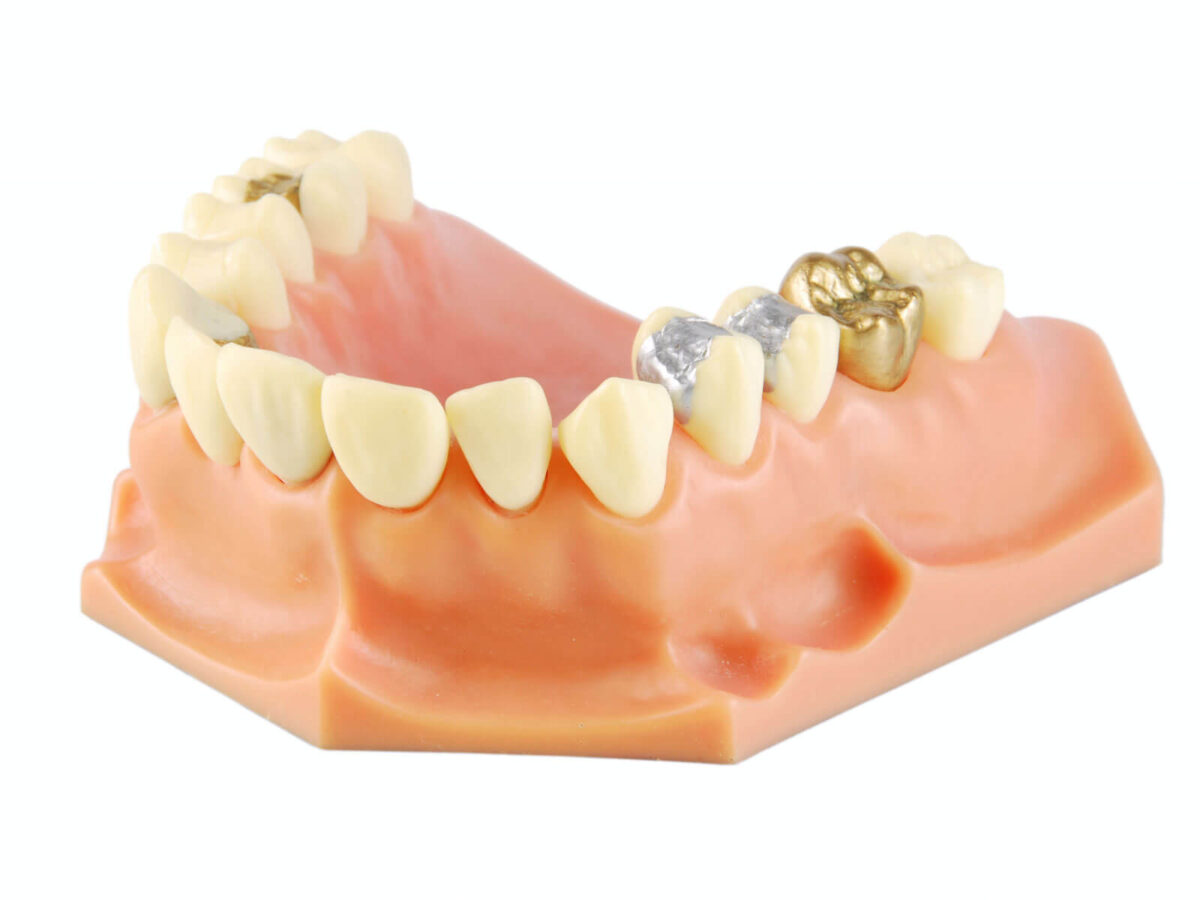
Different Types of Dental Fillings Explained
A filling isn’t something you plan for. It just pops up during a checkup. One minute, everything feels fine. Next, there’s a small cavity that needs fixing. They say it’s common. You nod. But you still think about it later.
You start wondering if it’s serious or just routine. Whether it will show when you laugh, and what kind of material is going into your tooth.
There are several types of dental fillings, and each one has its own strengths. Some are nearly invisible once placed. Some are built to last for years, especially in spots that handle a lot of chewing. A few are easier on the wallet and still do the job well. It usually comes down to which tooth is involved and how much structure has to be saved.
Once you see how they compare, the choice doesn’t feel as confusing.
What A Filling Actually Does
A filling is basically damage control. Once decay starts, it doesn’t just sit there politely. It spreads. So the dentist cleans out the soft, weakened part of the tooth first. That part is important. What’s left behind has to be healthy before anything is sealed up.
After that, the space gets filled, so the tooth feels solid again. You can bite down without that weird sensitivity. And maybe more importantly, bacteria don’t get easy access anymore.
If you ignore a cavity, it usually doesn’t stay small. It moves inward. Closer to the nerve. And that’s when things get complicated fast. A filling, in most cases, keeps it from reaching that point.
What Are Composite Fillings
Composite is the go-to choice these days when looks matter. It’s a resin that the dentist bonds to your tooth. The colour is matched, so it’s hard to see. That makes composite popular for front teeth and any visible area.
Composite works well for small to medium cavities. It sticks to the tooth and can support the remaining structure. It wears with time. Some composites hold up nicely for many years, especially with good home care.
Composite fillings are placed in one visit. The filling is built up gradually. After each layer, a bright blue light helps it firm up. The whole thing usually moves faster than people expect. It feels similar to a routine filling.
What Are Amalgam / Silver Fillings?
Amalgam fillings go way back. They were once the standard choice in most dental offices. It’s strong. Dentists often use it in the back teeth because those teeth do most of the heavy chewing.
An amalgam filling can last a decade or more. It resists wear well. That’s why many people still accept it for molars.
The downside is appearance. Silver fillings are visible. For that reason, some patients prefer an alternative in front of or in the smile areas. The safety of modern amalgam has been reviewed extensively, and it is still an approved material in many countries. (https://www.ada.org/)
Ceramic Fillings And Onlays
Ceramic fillings are usually made in a lab. They’re custom-shaped and then bonded to the tooth. Porcelain looks very natural. It resists staining. It can match your tooth colour closely.
Ceramic options can be more expensive. They also often require two visits. The first visit prepares the tooth and records its shape. The lab then makes the restoration. The second visit sets it in place.
It’s a solid option when you want something that lasts but still matches your natural tooth shade. It works well in larger cavities where appearance matters.
What Are Gold Fillings And Inlays
Gold restorations are less common today, but they remain a durable choice. Gold lasts. It handles chewing forces well. Many gold restorations stay functional for decades.
Gold usually costs more. It also requires lab work and multiple visits. Many patients decide against gold mainly because of the look and price. In the right case, it can last for years without much trouble.
Glass Ionomer Fillings
Glass ionomer tends to be reserved for certain cases rather than used across the board. What makes it different is that it gives off fluoride gradually after it’s placed. That added protection can help reduce future decay in the area.
Dentists sometimes use it for children’s teeth or along the gumline, where keeping everything perfectly dry isn’t always easy.
It doesn’t have the same strength as composite or ceramic materials. In people with higher decay risk, the fluoride factor can tip the decision in its favor.
How Location Affects The Choice
Where the cavity sits is a major factor. Front teeth are more visible and usually get tooth-colored materials. Back teeth take more force and sometimes need the strongest material available.
Minor decay on the biting surface can often be repaired using composite. Larger weakened areas, or teeth with older repairs, sometimes need a ceramic onlay or crown.
How Long Each Type Lasts
There isn’t one answer that fits all. Composite fillings can last many years, often 5–10 years or more, depending on habits. Amalgam can last 10–15 years or longer. Ceramic and gold restorations often last longer still when placed and cared for properly.
A filling’s lifespan is affected by everyday factors. Grinding, food choices, oral hygiene, and bite pressure can slowly affect its condition. With routine dental visits, small changes can be identified and managed before the restoration fails. [Source]
Cost Differences To Expect
Price varies a lot. Composite fillings usually cost more than amalgam. Porcelain and gold restorations are the most expensive. These costs reflect material, lab work, and time.
It helps to get a written treatment plan. That plan should list material options and associated costs. This way, you can weigh appearance against longevity and budget.
Safety And Health Concerns
Dental materials are checked before they’re used on patients. That said, not every patient is the same. If anything about your health feels relevant, bring it up during your visit. The available types of dental fillings allow for flexibility.
If an article or post raised doubts, mention it during your visit instead of guessing. Most concerns make more sense once they’re explained properly.
Signs A Filling Might Need Replacing
When a filling starts to wear down, it doesn’t always make a big announcement. You might feel mild sensitivity. Or maybe the surface feels different when you run your tongue over it. In some cases, there’s a slight discoloration along the edge.
During checkups, dentists look for these signs, even the ones you can’t see or feel yet. Sometimes the X-ray shows something before the tooth ever hurts. Fixing it then is far simpler than waiting until the problem grows.
FAQs
Can I replace old silver fillings with white ones?
Often yes. Many people choose to replace older amalgam for cosmetic reasons. Your dentist will check if replacement is necessary or beneficial.
Do fillings need special care?
There’s no complicated routine involved. Good daily cleaning habits and routine checkups usually do the job.
If a filling breaks, what happens?
A cracked filling isn’t something to wait on. Getting it checked quickly often means a simple fix instead of a more involved repair later.
Are any fillings permanent?
No. Even the best filling will likely need attention at some point. Proper care and monitoring can stretch their lives.
Conclusion
There isn’t one universal answer when it comes to types of dental fillings. What works well for one tooth might not make sense for another. The size of the cavity, where it’s located, and how much pressure that tooth takes every day, all of that matters.
Your preferences matter too. Some patients care more about appearance. Others want maximum durability. There’s room to discuss both.
If you’re dealing with a cavity or think a filling may need attention, reach out and have it checked. Early care tends to mean easier care.