Blog
Dental hygiene tips for healthy teeth & gums
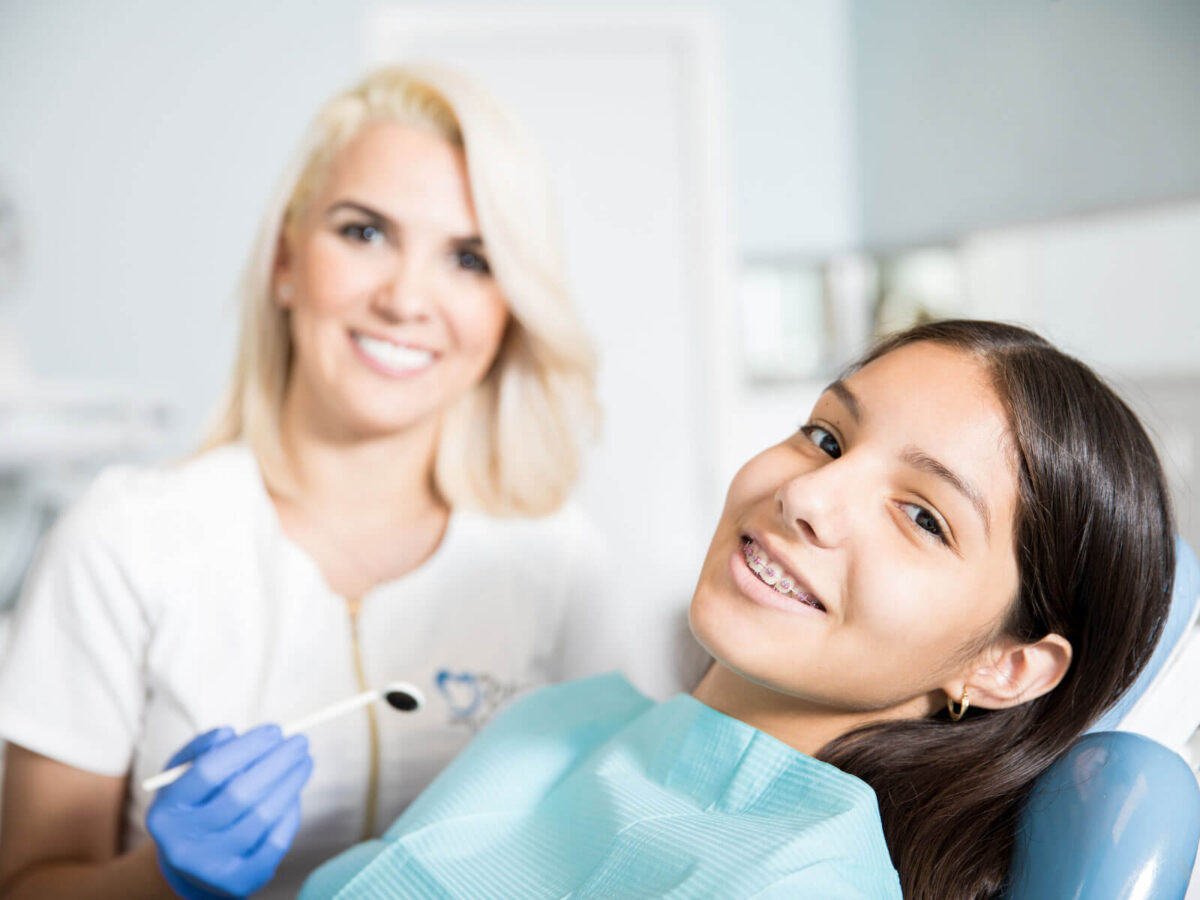
Braces for Teens: 10 Tips for a Smooth Orthodontic Journey
Braces for teens tips tend to get lumped into two categories online: generic advice that could apply to literally anyone with teeth, and stuff that sounds like it was written by someone who’s never actually had braces themselves. This isn’t either of those. This is the stuff that actually matters once the brackets are on and regular teenage life keeps happening around them.
My cousin got braces the same month she started high school, awful timing on top of everything else that comes with ninth grade. She got through it fine. But the first two weeks were rough, and nobody had handed her the small, practical stuff that would’ve made them easier. Here are the ten things that would have actually helped.
TL;DR
Ten tips end up in this list, but three of them do most of the actual work. Soft foods stocked before the appointment, so day two doesn’t turn into a grocery run.
A real flossing routine practiced before the wires even go in, instead of figuring it out on the fly. Wax kept within reach for the first rubbed spot, which shows up faster than expected.
Week one is the roughest stretch by a wide margin. Everything after that settles into something close to normal a lot faster than most teens expect going in. Full list of ten below, in the order they tend to matter most.
1. Stock the Fridge With Soft Food Ahead of Time
The first few days after braces go on are sore, more than most people expect walking in on day one.
Soup, yogurt, mashed potatoes, smoothies – all things worth having on hand already. It saves a scramble on day two, right when chewing anything solid starts to feel like a real chore.
Do the shopping trip before the appointment, not the same afternoon. Trying to grocery shop that evening with a sore mouth, scanning shelves for anything soft enough to eat, is exactly the situation to avoid.
2. Asking Questions Early Beats Figuring It Out Later
Teen orthodontic treatment goes a lot smoother when a teen actually understands what to expect going in, rather than being blindsided by every little thing as it happens week by week. Bring a list if it helps keep track of what to ask. Orthodontists would rather field questions upfront than field confusion three weeks into treatment.
Parents should be asking questions too, not just teens. How long treatment will run. What the adjustment schedule looks like. What actually counts as an emergency versus something that waits. Nail that down at the consultation, and it means fewer worried calls to the office later on.
3. Get a Head Start on the Brushing Routine
Practicing the angled brushing technique even a week or so before braces go on makes the actual adjustment period noticeably shorter. It’s one less brand-new skill to pick up all at once alongside everything else that changes on day one.
Most orthodontic offices will walk through the brushing technique right at the consultation, before any brackets go on. Getting that head start means the muscle memory’s already there once it actually counts.
4. Lean Into Soft Foods for the First Few Days
Braces first week tips really start here. Food is where most of the early frustration comes from. Pasta, eggs, soup, oatmeal, anything that doesn’t ask much of the jaw. Soreness usually clears up on its own in three to five days.
Impatience gets the better of a lot of teens here. Pushing back to normal food too soon just drags out the sore stretch, and a few extra days of soft food usually beats that trade every time.
5. Keep Orthodontic Wax Within Reach at All Times
A bracket rubbing the inside of a cheek is one of the most common early complaints. It happens fast, and it can throw off an entire school day if there’s nothing on hand to deal with it.
Wax handles it. Roll a small piece into a ball and press it over the bracket. That’s it. It’s cheap enough that keeping a spare tin in a backpack, a locker, and at home isn’t overkill, just practical.
Want a Smoother Start to Braces?
Book a consultation and get personalized prep tips. We’ll walk you through exactly what to expect.
6. Use Pain Relief on a Schedule. Not Just When It’s Unbearable
Soreness is easier to manage ahead of time than after it peaks. A dose during the first couple of days, on schedule rather than reactive, keeps things a lot more manageable. Following the dosing instructions on the label, rather than guessing at timing, keeps this simple and safe throughout.
Setting a couple of reminders on a phone for the first two or three days helps more than it sounds like it would, especially for a teen juggling a full school schedule on top of everything else going on.
7. Build Brushing and Flossing Into an Existing Routine
This is really where braces care for teenagers lives long-term, well beyond just surviving the first week. Attaching the routine to something already automatic, right after showering, right before bed, makes it far more likely to actually stick than treating it as its own separate thing to remember.
Piggyback habits just tend to survive better than habits that have to stand on their own, through busy weeks, exam season, and everything else that comes with being a teenager.
8. Pack a Backpack Emergency Kit
Wax, a spare toothbrush, and floss threaders take up almost no space at all. A wire that pokes or a bracket that suddenly feels off partway through third period can ruin an otherwise fine day, especially with hours to go before anyone gets home.
A tiny zip pouch works fine for this. It doesn’t need to be elaborate, just present and easy to grab without digging through an entire backpack during a five-minute passing period.
9. Actually Avoid the Foods on the “Don’t Eat This” List
Ice, hard candy, popcorn, and sticky caramel top the list of what sends teens back to the orthodontist’s chair unplanned. Everyone tests the limits eventually, and one crunch too many is usually what does it.
The list feels restrictive at first, but most teens stop noticing it as a restriction within a month or so, once new habits replace the old snacking patterns.
10. A Missed Visit Adds Up More Than It Seems
Every single visit matters more than it tends to feel like in the moment, especially when nothing seems urgent and skipping one appointment feels harmless. The entire plan is built around that regular schedule. Missing or repeatedly delaying appointments stretches out total treatment time more than most teens realize going in.
One missed visit throws off the pacing more than it seems like it should. A pattern of them compounds fast.
FAQ
How long does the soreness from braces actually last?
Usually three to five days after the initial placement, and again briefly after each adjustment appointment going forward, though it’s typically milder each time after the first.
What’s the single most useful thing to keep on hand with braces?
Orthodontic wax, without much competition. It solves the most common daily annoyance, brackets rubbing against the inside of the mouth, faster than almost anything else available.
Do teens need a different toothbrush with braces?
A soft brush with bristles shaped to work around brackets is usually the better pick. Electric works too, whichever one actually gets used consistently.
Is feeling self-conscious about braces normal at first?
Very common. It fades faster than expected, usually once friends stop mentioning it after the first week or so.
What should a teen do if a bracket or wire breaks unexpectedly?
Wax over the sharp edge first, right away. Then a call to the orthodontist’s office. Most offices will squeeze in a quick fix rather than making someone wait weeks for the next scheduled visit.
Conclusion
The realistic version of braces for teens tips is just preparation and consistency, not skipping the small stuff. Week one is the roughest patch, but it passes fast. A few months in and my cousin’s forgotten she even wears them, most days.
If treatment is starting soon, or questions keep piling up along the way, that’s what an orthodontist’s office is for – not guesswork, and not advice from someone else’s very different case.
Ready to Start Treatment With Confidence?
Get personalized guidance for your orthodontic journey. We’ll help make the process as smooth as possible.