Blog
Dental hygiene tips for healthy teeth & gums
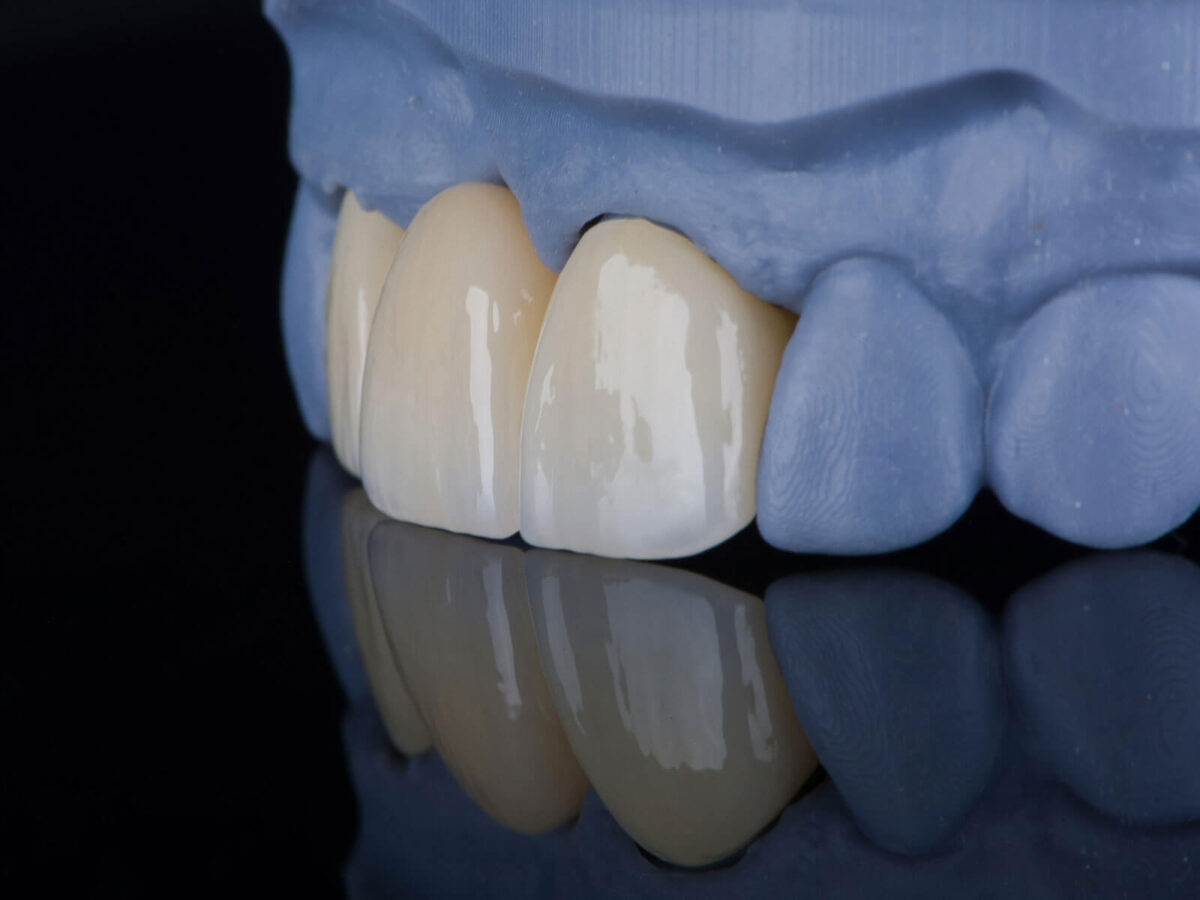
The Disadvantages of Dental Crowns Dentists Rarely Mention
Most patients leave a pre-crown appointment knowing what the procedure involves, how long it takes, and roughly what it costs. What rarely gets covered is what comes after – the complications that emerge months or years later, the permanent changes that happen to the tooth underneath, and the problems that show up in clinical literature but don’t make it into the room before the patient says yes.
Appointments move fast. Patients don’t know what to ask. Most crown complications don’t show up immediately, so they don’t feel urgent to raise in advance.
The disadvantages of dental crowns belong in that conversation anyway. Understanding them before the procedure is a different kind of informed than understanding them after.
TL;DR
- Disadvantages of dental crowns start with the tooth itself: structure that gets removed to fit the crown doesn’t grow back, sensitivity after placement is common, and the risk of eventually needing a root canal goes up.
- Recurrent decay can develop under the crown at the margin, and gum tissue around the crown edge can become a long-term problem.
- Crowns eventually fail and need replacing, and each replacement cycle leaves less tooth structure to work with.
- None of this is a reason to avoid a crown when one is genuinely needed. It is a reason to go in knowing what you’re committing to.
What Happens to the Tooth Under a Crown Is Permanent
Placing a crown requires removing a significant portion of the natural tooth structure, typically 1.5mm to 2mm from all surfaces, to create room for the crown material. That tooth structure doesn’t grow back. Every future crown on that tooth starts with less to work with than the one before it.
For a tooth that’s already fractured or too damaged for a filling, giving up some structure to save the rest is a reasonable exchange. The crown restores function the tooth couldn’t otherwise keep.
Where the calculation gets murkier is when a crown goes on a tooth that a large filling might have managed for several more years. Not every clinician draws that line in the same place. A review published via NIH noted that the amount of tooth reduction required for crown placement is a high biological cost, particularly for younger patients whose teeth will need to last decades longer.
Most patients only hear about it afterward, if at all. By then, the reduction has already happened.
Why Does Sensitivity After a Crown Sometimes Not Go Away
Some sensitivity after a crown is placed is expected. The tooth has been prepared, the nerve disturbed, and that takes time to calm down.
The settling period can stretch weeks or months, and some teeth never fully calm down. When the pulp was already dealing with inflammation before the crown, from deep decay, an old large filling, or a crack, the preparation can be enough to tip it over. What started as sensitivity ends up as a root canal.
The Cleveland Clinic notes that crowned teeth carry a higher long-term risk of needing root canal treatment than unprepared teeth. The preparation process stresses the pulp even when everything goes as planned, and most patients find that out weeks later, when the sensitivity that was supposed to settle hasn’t.
Why Does Crown Replacement Get More Complicated Over Time
A crown is a long-term solution. It’s not a permanent one, and that difference matters more than most patients realize going in.
Most crowns hold up for 10 – 20 years. When one eventually needs replacing, the dentist removes it and prepares what’s left of the tooth underneath for a new one. That means more structure comes off, the walls get thinner, and the tooth that comes out of that second preparation is a smaller version of what went into the first.
After two or three crown cycles on the same tooth, what’s left may not be enough to support another crown without a post and core buildup, or at all. A tooth that went into its first crown in rough but workable shape can become, over decades of replacement cycles, a tooth that can no longer be restored.
None of that is visible at the first appointment. For a younger patient committing to a first crown, the disadvantages of dental crowns don’t show up all at once – they compound over decades, one replacement cycle at a time.
Can Decay Still Develop Under a Crown
One of the more persistent misconceptions about problems with capped teeth is that a crowned tooth is protected from decay. It isn’t.
The crown covers the portion of the tooth above the gumline. The margin, the edge where the crown meets the tooth, is a junction point. If that margin doesn’t seal perfectly, or opens slightly over time as gum tissue changes, bacteria get in. Decay develops at the margin and progresses underneath the crown where it can’t be seen and where the patient feels nothing until it’s advanced.
By the time recurrent decay under a crown shows up on X-ray or becomes symptomatic, it’s typically more extensive than surface decay at the same stage would be. The crown has been covering it.
The ADA’s MouthHealthy resource notes that proper hygiene around crown margins is essential because this junction is a decay risk point. Patients who assume a crown means that tooth is no longer a concern tend to clean around it less carefully, and that’s usually how it starts.
How Do Crown Margins Affect Gum Tissue Over Time
Most people leave a crown appointment without giving much thought to the margin, the thin edge where the crown meets the tooth right at the gumline. That junction is where a lot of long-term gum problems begin.
Any gap or rough edge at that margin gives plaque somewhere to settle that a toothbrush doesn’t get to. The gum tissue responds with inflammation, and if that goes on long enough, recession and bone loss follow around the crowned tooth.
Crowns placed below the gumline for aesthetic reasons make this harder. The pocket around the tooth gets deeper, and keeping it clean takes more effort than most patients put into it. For someone with several crowns like this, the hygiene situation is considerably more demanding than they were probably told going in.
The bone loss builds slowly and without symptoms, which is why it often doesn’t show up clearly on an X-ray until it’s already been progressing for some time.
Ready to Understand What a Crown Commits You To?
The pre-crown conversation should cover more than procedure and price.
FAQ
Does a crown permanently change your tooth?
To fit a crown, the dentist drills the tooth down on all sides. What comes off doesn’t come back. Every future crown on that tooth starts with less structure than the one before.
I got a crown, and now my tooth is sensitive. Is that normal?
A bit of sensitivity after a crown is normal. What most people aren’t told is that it can drag on for weeks, and if the tooth was already in trouble before the crown went on,